How Downstream Development Influences Permanent Magnets
High-performance NdFeB (Neodymium Iron Boron) permanent magnets are primarily utilized in new energy, energy conservation, and environmental protection sectors. This includes wind power, New Energy Vehicles (NEVs) and auto parts, energy-saving inverter air conditioners, energy-efficient elevators, and robotics/smart manufacturing.
1. Wind Power Generation
Wind power is currently the largest consumer of high-performance NdFeB magnets. These materials are essential for Permanent Magnet Direct Drive (PMDD) wind turbines. Compared to doubly-fed induction turbines, PMDD units offer a simpler structure, lower maintenance costs, longer lifespan, superior grid connection performance, and higher efficiency, especially in low-wind-speed environments. Consequently, their market share continues to grow.
2. New Energy Vehicles (NEVs)
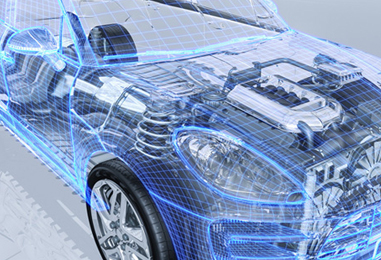
The NEV sector represents the fastest-growing demand for high-performance NdFeB magnets. This category includes Hybrid Electric Vehicles (HEV) and Battery Electric Vehicles (BEV).
Drive Motors: These magnets are a core component of the drive motor—one of the three "heart" components of an NEV.
Mainstream Choice: Permanent Magnet Synchronous Motors (PMSM) have become the industry standard over three-phase asynchronous motors due to their high efficiency, high torque density, compact size, and light weight.
3. Automotive Components
High-performance magnets are widely used in micro-motors within traditional and smart auto parts, including:
EPS (Electric Power Steering)
ABS (Anti-lock Braking System)
Automotive fuel pumps and ignition coils.
As vehicle production increases and the penetration rate of EPS and ABS rises, demand in this sector is expected to climb steadily.
4. Energy-Saving Inverter Air Conditioners
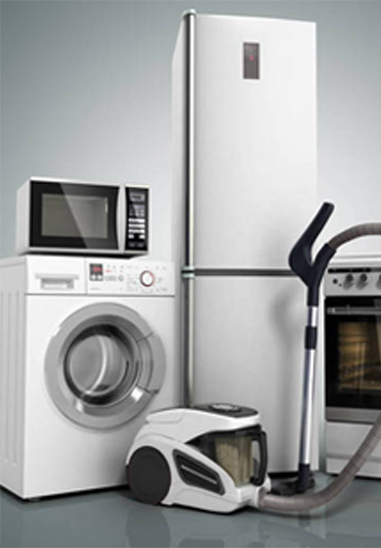
Inverter air conditioners utilize a frequency converter to control the compressor's speed—the "heart" of the unit. This ensures the compressor operates at optimal speeds to improve the Energy Efficiency Ratio (EER). In China, these units employ both NdFeB and Ferrite permanent magnets to achieve these efficiencies.
5. Energy-Efficient Elevators
In this sector, NdFeB is mainly used in elevator traction machines.
PM Synchronous Traction Machines: Unlike traditional asynchronous machines, these utilize high-performance magnets and specialized structures to provide energy savings, environmental protection, and high torque at low speeds.
6. Robotics and Smart Manufacturing
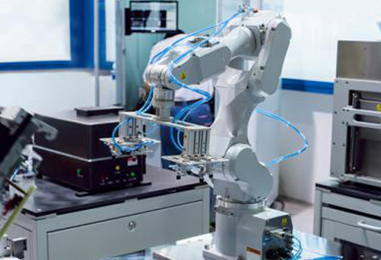
Industrial robots are the backbone of automated smart manufacturing, performing tasks like hauling, welding, assembly, and precision processing.
Core Component: The drive motor is the heart of the robot.
Material Synergy: Permanent Magnet Synchronous Servo Motors are the mainstream choice for robot joints, and high-performance NdFeB is the fundamental material that makes these high-precision motors possible.
Would you like to dive deeper into the specific technical specifications (such as Hcj or BHmax) required for any of these specific industries?
 CN
CN


 Other Functional Composite Materials
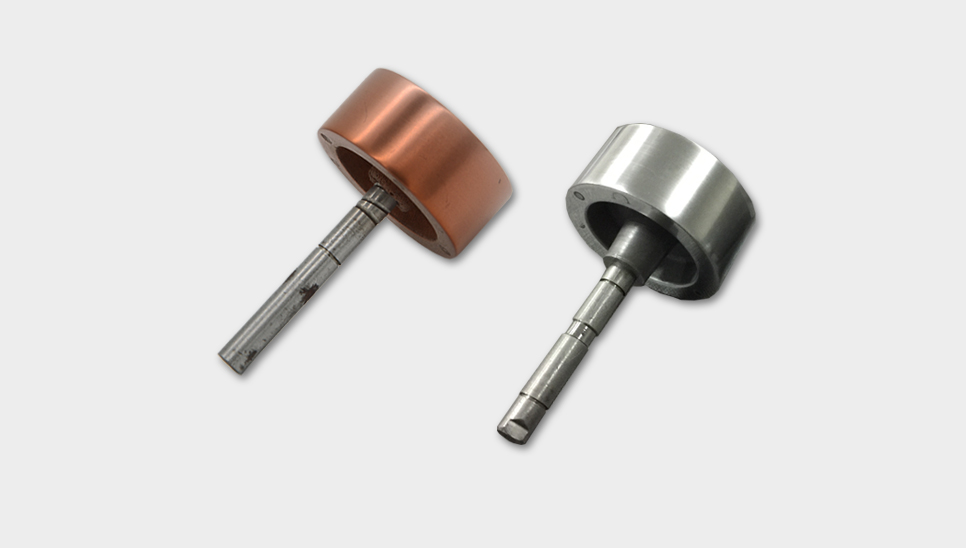
In addition to bonded magnetic compounds, we can also cooperate with customers to develop customized functional composite materials, such as high-density compounds and metal bonded plastic. We are committed to providing customers with new user experience and different design inspiration.
Other Functional Composite Materials
In addition to bonded magnetic compounds, we can also cooperate with customers to develop customized functional composite materials, such as high-density compounds and metal bonded plastic. We are committed to providing customers with new user experience and different design inspiration.

 Call us on:
  Email Us:
  1F, Building 3, NO.77 Gaoxin 13 road, Xiaoshan district, Hangzhou